
USTR Extends Section 301 Maritime Fee and Crane Tariff Pauses to January 2027
The Office of the United States Trade Representative (USTR) has announced an extension of the pause on Section 301 maritime actions, including port fees on Chinese-linked vessels, and on additional tariffs covering Chinese-made ship-to-shore cranes and other cargo-handling equipment. The date of the announcement was not specified in the information provided. By moving the end of the pause from November 9, 2026, to January 9, 2027, the change gives equipment exporters, buyers and maritime supply-chain participants more time under the temporary arrangement. It also leaves them facing questions about product coverage, future costs and delivery planning.
Two Additional Months for Maritime and Equipment Measures
According to the supplied event summary, USTR extended the suspension of Section 301 maritime actions, including port fees on Chinese-linked vessels, by two months. The suspension had been due to end on November 9, 2026, and is now scheduled to end on January 9, 2027.
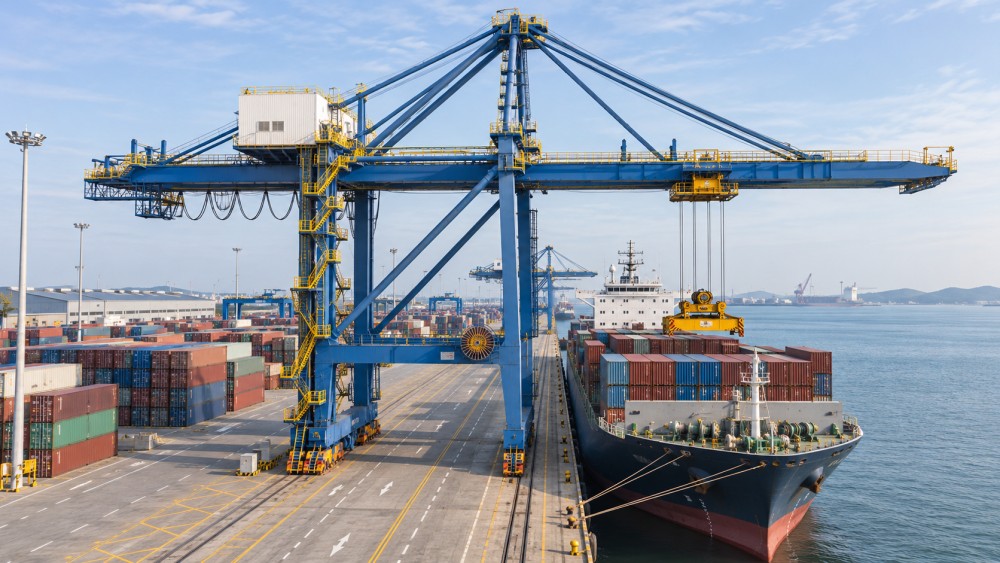
The same extension applies to the pause on additional tariffs on Chinese-made ship-to-shore cranes and other cargo-handling equipment. In addition, Section 301 tariff exemptions covering 178 Chinese products have been extended for the same period. The summary states that the extension eases tariff pressure on Chinese lifting-equipment exports to the United States in the short term.
Where the Extension Could Affect Equipment Trade
Crane Manufacturers and Exporters Gain Planning Time
From an industry perspective, the two-month extension may give Chinese crane and cargo-handling equipment exporters more room to assess the cost of shipments to the United States. For a transaction involving equipment covered by the tariff pause, the expected additional tariff can be a material part of a quotation or delivery discussion. The extra time may therefore affect how suppliers prepare offers and discuss schedules with customers.
That possible relief depends on whether the product and transaction qualify under the applicable measures. The supplied summary does not identify every covered equipment category or describe the procedures for determining eligibility. Exporters may need to review product descriptions and supporting trade documents before assuming that a particular shipment benefits from the pause.
Analysis also suggests that the value of the extension will vary with the timing of each order. A supplier whose anticipated trade activity falls within the extended period may have different planning questions from one whose delivery is expected near or after January 9, 2027. The announcement alone does not establish the tariff treatment of an individual transaction.
Buyers and Integrators Face a Narrower Cost Window
For equipment buyers and businesses integrating cargo-handling systems, the pause may provide additional time to compare proposals that include Chinese-made equipment. It may also make it useful to revisit quotations, delivery assumptions and the allocation of potential trade costs with suppliers.
However, an extended pause is not the same as a permanent removal of the measures. Buyers considering projects with longer procurement or installation schedules may wish to assess how a change after the scheduled end date could affect the total commercial commitment. This is a planning consideration rather than a confirmed forecast of future tariffs.
The extension of exemptions for 178 Chinese products may also matter to some procurement chains, but the input does not identify those products. Buyers and suppliers should therefore avoid assuming that a component, spare part or other item is included until its status has been checked against the relevant official information.
Shipping and Logistics Costs Remain a Separate Question
The maritime action and the equipment tariff pause are related in timing but address different potential costs. The former includes port fees on Chinese-linked vessels; the latter concerns additional tariffs on specified Chinese-made equipment. In analysis, an equipment shipment could require consideration of both its cargo-related treatment and the potential costs associated with its transport arrangements.
For logistics providers and trading companies, the extension may create an opportunity to review whether quotations and delivery plans account for the temporary status of the maritime measures. The supplied information does not define how a vessel is assessed for the port fees or explain the detailed application of those fees. Any effect on a particular route, vessel or shipment remains subject to verification.
Checks That Matter Before a Quote or Shipment
Confirm Which Measure Applies to Each Item
A practical first step is to distinguish among the pause on maritime actions, the pause on additional equipment tariffs and the extension of the 178 product exemptions. Although all are described as extended to the same date, the supplied summary does not say that they share identical coverage or eligibility conditions.
Businesses may wish to match each item in a proposed transaction with its product description and available trade documentation, then check the current official terms for the relevant measure. This review could be particularly useful where an order combines a ship-to-shore crane with other cargo-handling equipment, components or separately supplied goods. The summary does not establish that every item in such an order receives the same treatment.
Align Commercial Dates with the Temporary Pause
Suppliers and customers may benefit from reviewing the dates used in quotations, procurement plans and delivery discussions against the January 9, 2027, scheduled end of the extension. A transaction planned close to that date may be sensitive to timing, but the input does not specify which date or procedural event determines the applicable treatment.
Rather than assume that an order date or a planned arrival date is decisive, the parties can seek confirmation of the applicable rules for their transaction. They may also consider discussing how a change in trade costs would be handled if timing shifts. Such discussions are commercial precautions, not requirements established by the announcement as summarized.
Keep Product and Transport Records Ready for Review
Analysis suggests that accurate product descriptions, origin information and shipment records may help businesses evaluate whether a proposed movement falls within the relevant measures. For the maritime aspect, companies may also want to obtain the transport information needed to assess potential exposure to the vessel-related action.
The input does not specify a new document, certification or testing requirement. Companies should check the official details and the terms of their transactions before changing documentation practices. Where a buyer requests technical or procurement documents, consistent descriptions may help the parties compare the goods being purchased with the goods whose trade treatment is under review.
Revisit Supplier and Project Assumptions
Procurement teams may use the additional period to ask suppliers whether quoted prices and proposed delivery schedules account for the current pause. Equipment integrators and contractors may also wish to review the assumptions passed through their own proposals, particularly when several suppliers or delivery stages are involved.
If a project schedule extends beyond the pause, evaluating alternative timing or supply arrangements could be useful. The information provided does not establish that an alternative product is available, suitable or less costly. Any substitution would need its own technical and commercial assessment.
What the January Date Signals—and What It Leaves Open
Editorial observation: the stated extension is best understood as a temporary change to the duration of existing pauses and exemptions. It provides a defined additional period, but the supplied information does not establish what will happen after January 9, 2027. It would be premature to treat the extension as a permanent settlement of the underlying measures or as evidence that another extension will follow.
What deserves closer attention is the relationship between the announced date and the detailed treatment of individual transactions. Official wording on product coverage, vessel-related criteria and applicable timing could materially affect how companies assess a shipment. Market feedback may also show whether the additional period changes quotation practices or procurement schedules, although no such outcome is confirmed in the input.
The simultaneous extension of the 178 product exemptions is another reason to monitor the details. Without a product list or individual eligibility information in the supplied summary, companies cannot determine from the announcement alone whether a particular item benefits. The distinction matters when a project includes equipment and other goods purchased under separate arrangements.
Planning Around a Defined but Temporary Extension
The announced two-month extension offers short-term relief from the tariff pressure described in the supplied summary and more time to plan around the suspended maritime actions. Its practical significance will depend on the goods involved, transport arrangements, transaction timing and the official terms that apply to each case.
For the industry, the measured response is to use the extended period to verify coverage, review commercial assumptions and monitor subsequent USTR communications. The January 2027 date is a planning point, while the treatment of individual transactions and the position after that date remain matters for continued verification.
Basis for This Article and Further Verification
This article is based on the user-provided news title, event-time information and event summary. The event time was not specified, and no specific official source link was provided in the input. The announcement and its details therefore require continued verification against official USTR communications and other relevant trade information.
Further monitoring may include the precise scope and implementation of the measures, the products covered by the extended exemptions, trade execution, changes in procurement documents and feedback from affected businesses. Those details may alter the assessment of a particular transaction; they have not been established by the information supplied for this article.
Want to dive deeper into these market dynamics, or need data-driven support for your next business move? Drop a line below and let the analysts at HLES provide customized insights.
We respect your privacy. Your information is strictly confidential.
Related News
- Why Crane Rated Capacity Alone Cannot Establish Lift SafetyNov 17, 2026Rental Capital & IoT Strategist
- How do closed-loop drive systems control crane hoist speed?Nov 17, 2026Structural Rigging Architect
- China’s October 2026 Crane Sales Fall Across Three CategoriesNov 16, 2026Heavy Kinematics Scientist
- How slewing control systems reduce load sway in tower cranesNov 16, 2026Structural Rigging Architect
- October Crane Sales: Crawler Exports Surge as Tower Crane Sales FallNov 15, 2026Heavy Kinematics Scientist
- How do variable frequency drives provide a soft start for hoists?Nov 15, 2026Structural Rigging Architect